Skip links

Fragmented Realities

Fragmented Realities: Perception and Reassembled Worlds

Issue 11 steps directly into the fractures where perception thins and meaning begins to drift. In an era shaped by synthetic vision, reconstructed memory, and fluid identities, artists are no longer capturing the world as it is they are reconstructing it as it might be. This issue gathers five creators who operate within these liminal spaces, where narrative dissolves, coherence reshapes itself, and the familiar becomes strange enough to feel new again.

What binds their practices is not medium or aesthetic, but rupture, a willingness to pry open the boundaries of representation. Through their work, the fragmented is not something to repair; it is a structure that reveals underlying truths.
Eugenio Marongiu reframes human identity through surreal hybridity; Vlad Grach turns movement and systems into states of symbiotic exchange; Lindsay Kokoska merges cosmic interiority with fluid figuration; Julia Vineboo transforms sensory culture into cinematic story-worlds; and Elena Lapko distills emotional quietude into nocturnal portraits.

Together, these artists form a constellation of shifting realities, worlds that fracture not into chaos but into deeper meaning. Issue 11 is an invitation to see differently, to embrace distortion as insight, and to imagine perception as something endlessly reconfigurable.

Eugenio Marongiu — Fragmented Realities Sardinia, Italy | @katsukokoiso.ai

EUGENIO MARONGIU

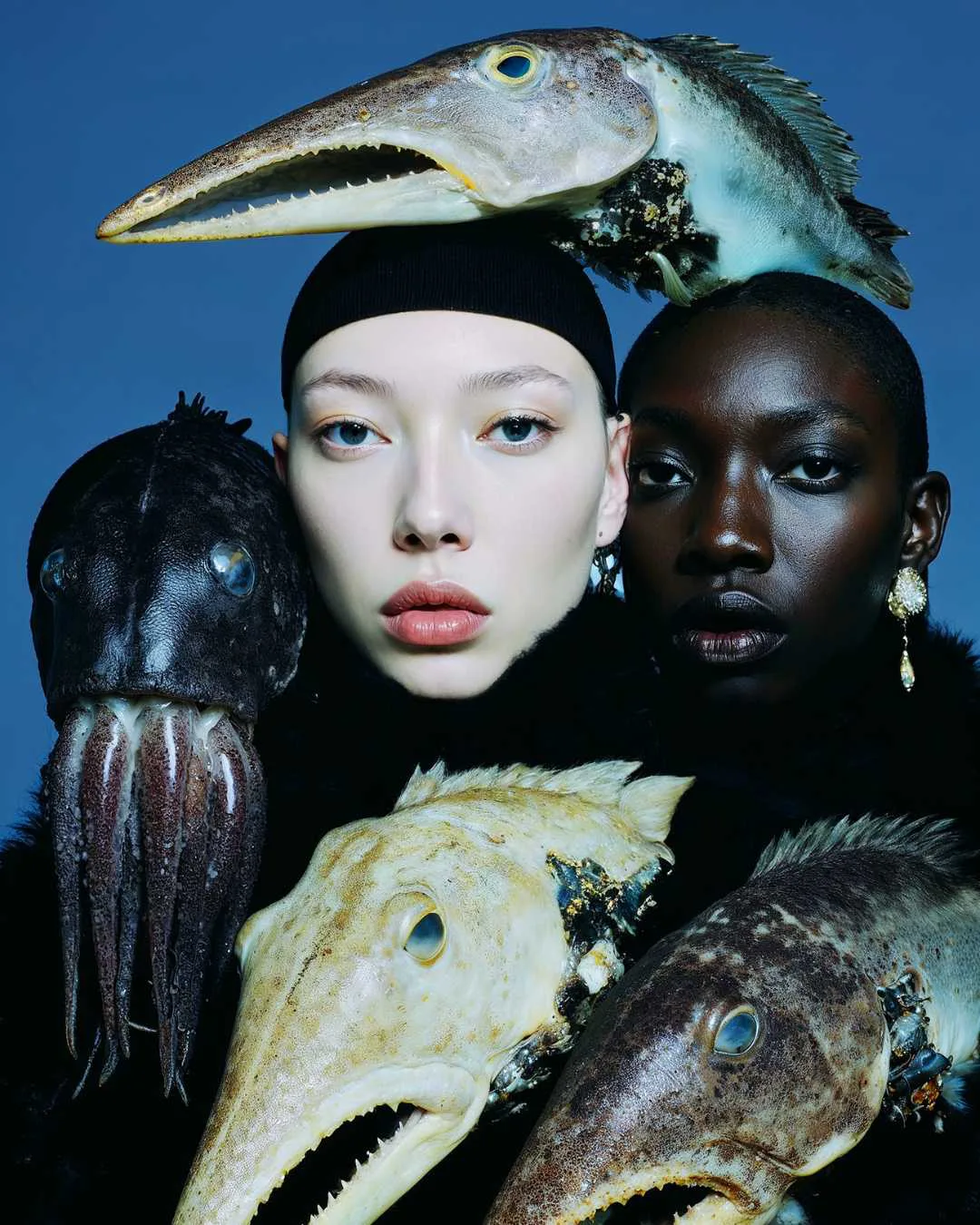
Fragmented Realities (Cover Artist)

Eugenio Marongiu expands the language of surreal portraiture by weaving human identity into hybrid forms that feel at once mythic and contemporary. His cover series for Issue 11 introduces figures shrouded in avian symbols, elongated beaks, skeletal plumage, and ceremonial silhouettes, composing a visual vocabulary of transformation.

Rather than staging fantasy, Marongiu stages rupture: the instant where selfhood splinters into its many possible versions. His images embody a cold, sculptural stillness, yet beneath their restraint lies a tension between beauty, displacement, and reinvention. Each portrait becomes a mirror fractured and reassembled, reminding us that identity is not fixed but continually negotiated.

In Marongiu’s work, the surreal is not escapism, it is diagnostic. It exposes the hidden architectures of perception, revealing how the human form becomes a vessel for memory, myth, and multiplicity.

Vlad Grach — Symbiosis: All That Lives, Lives With Us Kyiv, Ukraine | @beaudhikin

VLAD GRACH

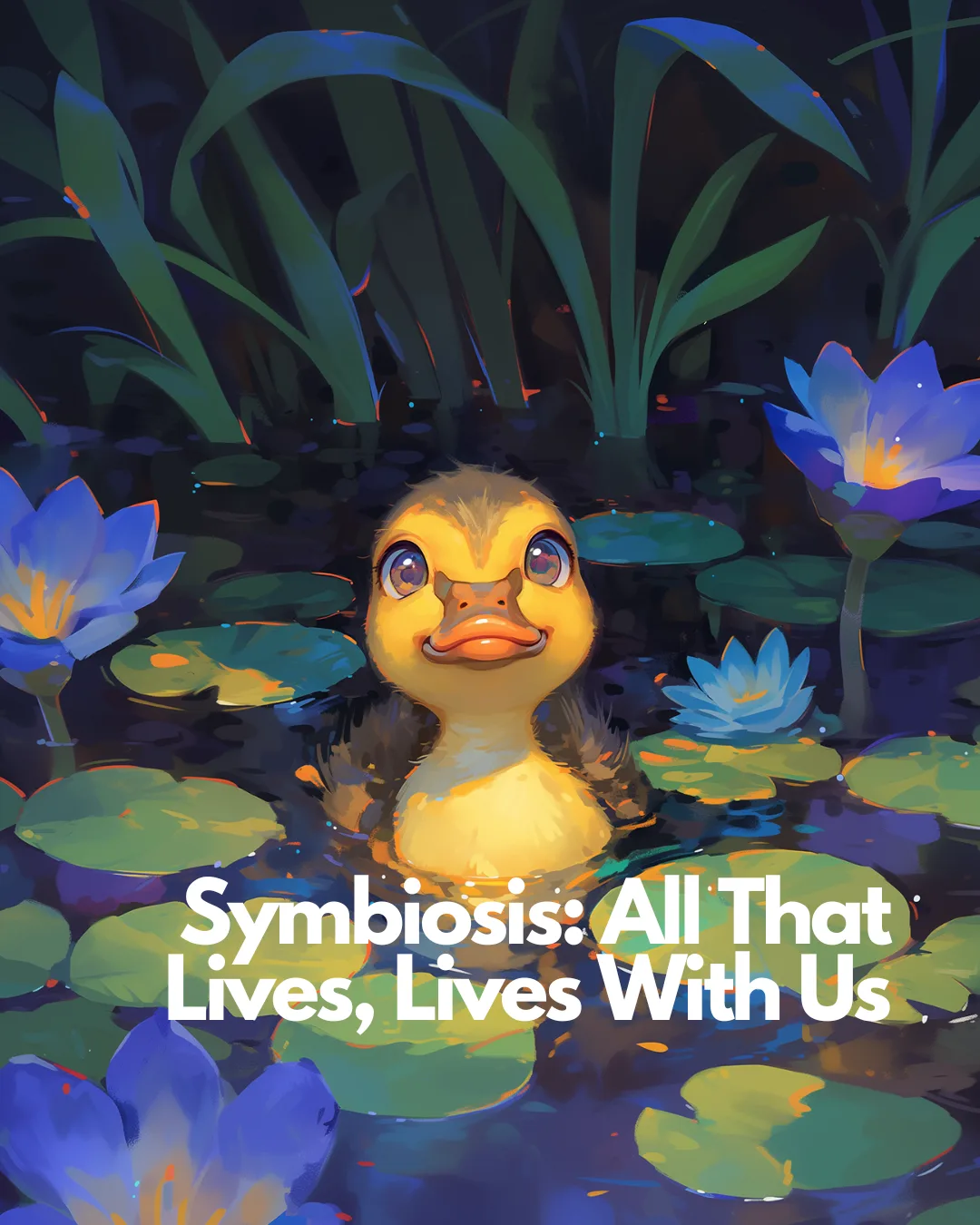
Symbiosis: All That Lives, Lives With Us

Vlad Grach constructs vivid cinematic scenes where technology, motion, and embodied presence converge into a single dramatic pulse. His work is saturated with neon atmospheres, aerodynamic silhouettes, and a sense of momentum that never fully settles. Individuals stand illuminated within engineered environments, part participant, part witness, suggesting a dynamic relationship between humans and the systems that shape them.

At the core of Grach’s practice is symbiosis. He depicts environments that do not simply frame their inhabitants but respond to them, amplify them, or reshape their trajectories. His characters seem caught in the tension between emergence and dissolution, as if drawn forward by an unseen force.

Grach’s imagery posits a future where life is entangled with the infrastructures that sustain it, where movement becomes a form of communication, and where being alive means being in constant negotiation with the energies surrounding us.

Lindsay Kokoska — Forms in Motion Canada | @infinite_mantra

LINDSAY KOKOSKA

Forms in Motion


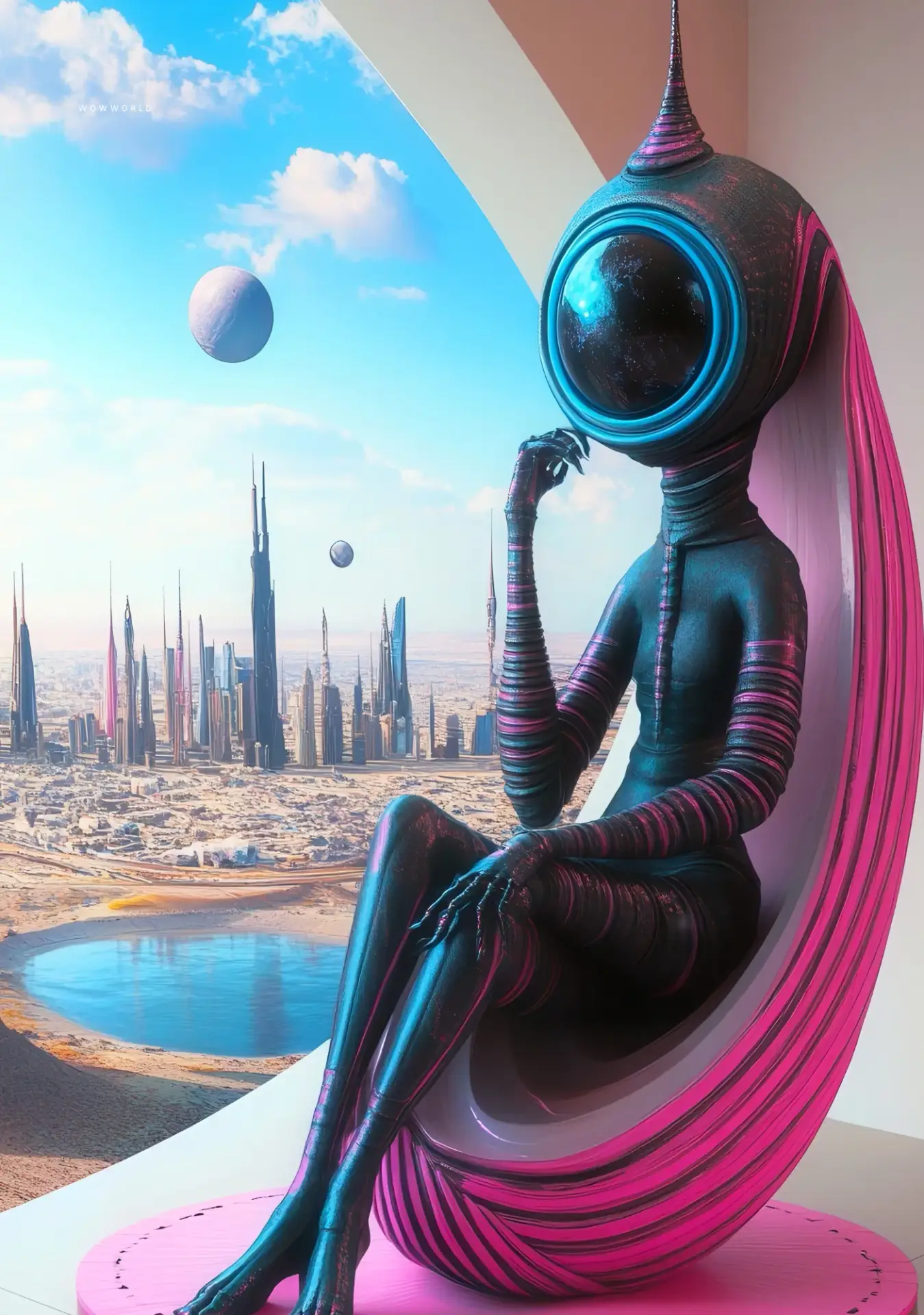
Lindsay Kokoska’s work inhabits the threshold between the corporeal and the cosmic. Her figures appear suspended in luminous nebulae, their bodies traced with florals, stardust, and blooming interior worlds. Through these motifs, Kokoska explores what it means for identity to be porous, fluid, and intertwined with the greater rhythms of existence.

Her compositions are not static portraits; they are states of emergence. Each figure dissolves into light or matter, becoming both self and universe. The motion she captures is not physical movement, but psychic drift—the quiet expansion of consciousness outward into the infinite.

Kokoska’s imagery serves as a visual meditation on growth, transformation, and interiority. In her hands, the body becomes a vessel for memory and possibility, a place where human experience folds seamlessly into the vastness of the cosmos.

Julia Vineboo — World Fermented by AI Warsaw, Poland | @julia_vineboo_ai

JULIA VINEBOO

World Fermented by AI

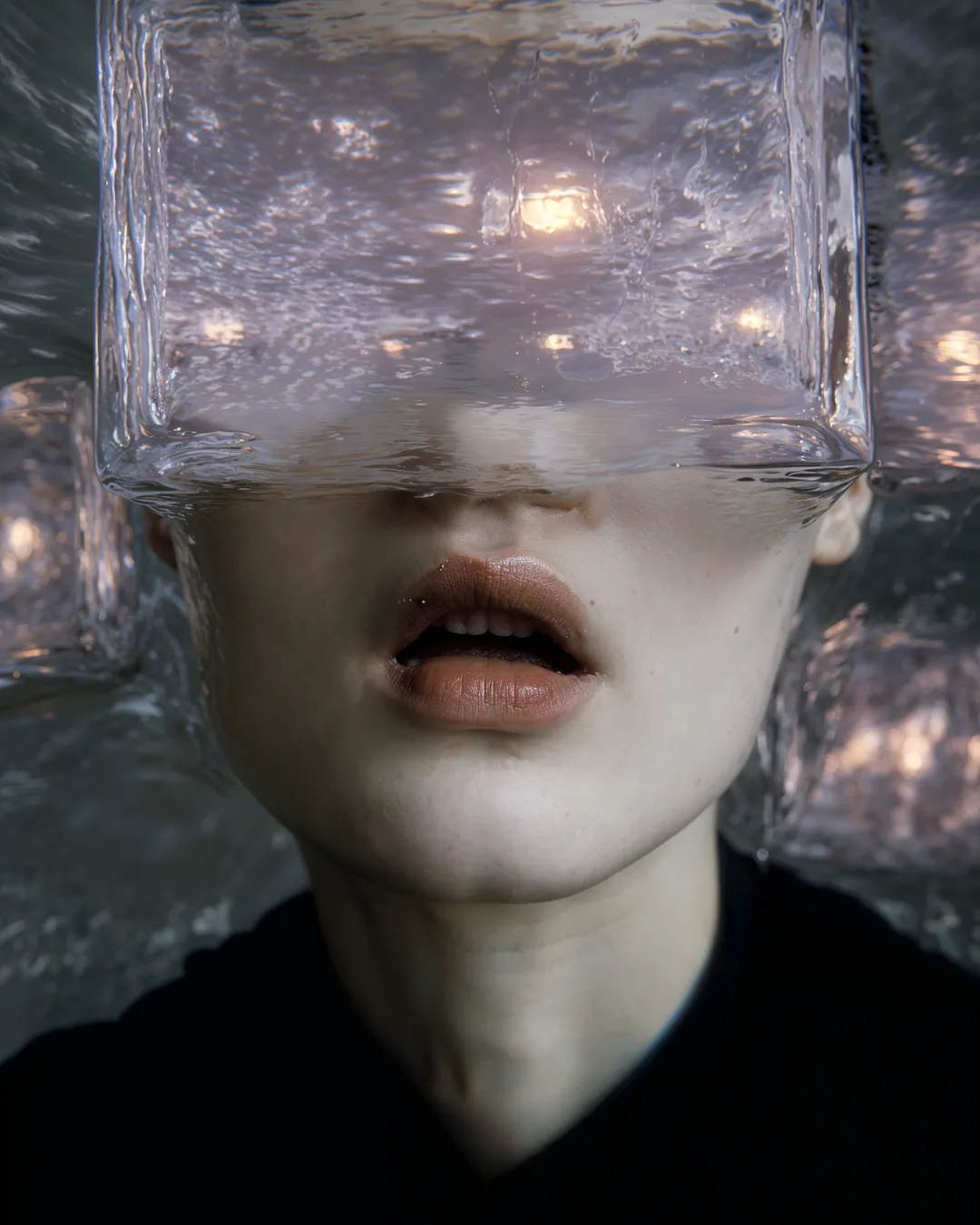
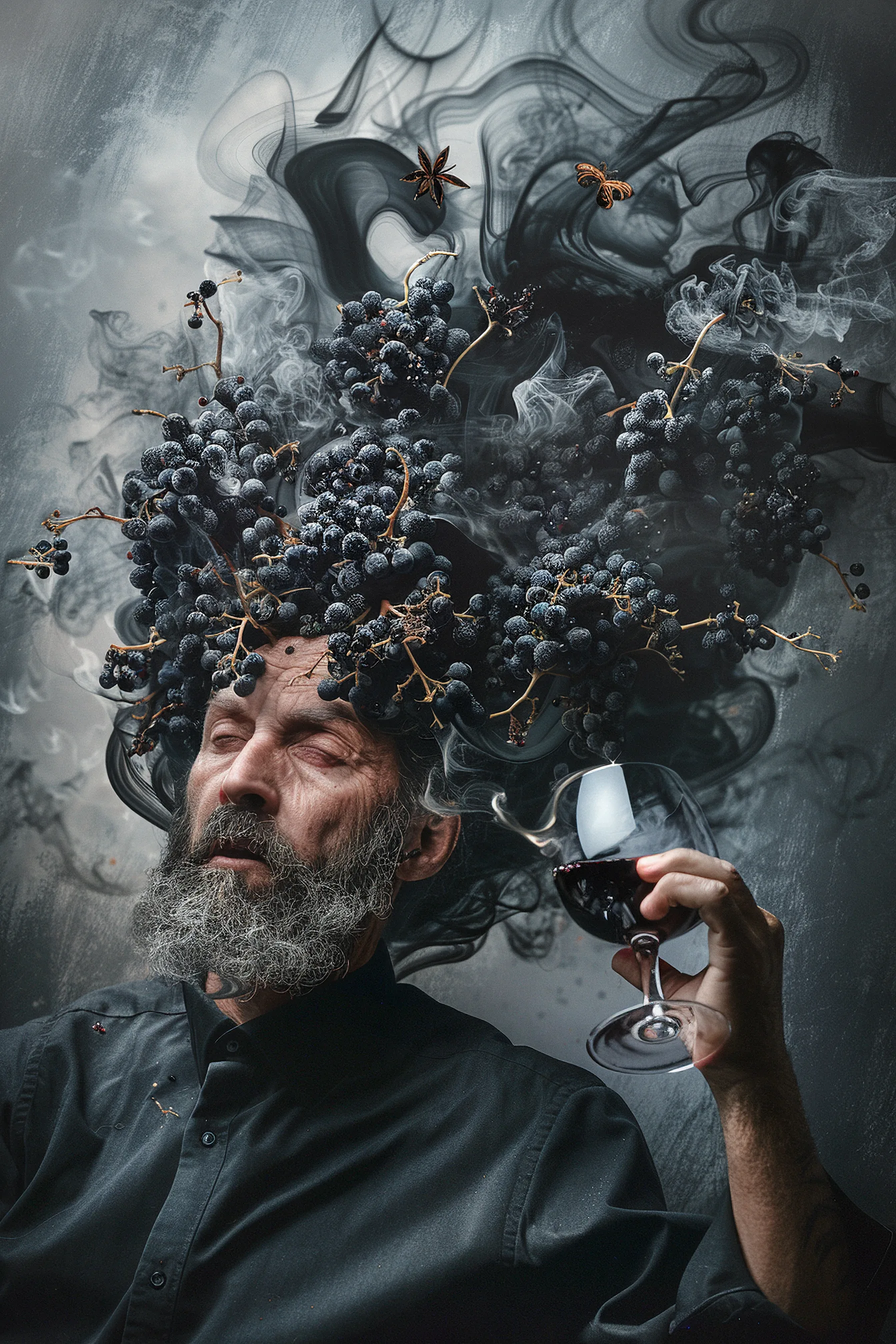
Julia Vineboo transforms wine culture into a sensory narrative medium, using AI to animate flavor, memory, and atmosphere into textured visual scenes. Her work reimagines tasting notes as cinematic gestures, allowing each image to unfold like a vignette suspended between realism and whimsy.

Vineboo’s aesthetic thrives on playful tension: the moment where knowledge becomes emotion, and emotion becomes story. Through color, composition, and subtle dramatization, she shifts wine from an object of consumption to a living cultural character, vibrant, humorous, and emotionally resonant.

Her practice reveals how AI can expand sensory storytelling, turning fleeting impressions into visual worlds. These scenes do not simply describe taste, they perform it, inviting viewers into a space where flavor becomes narrative, and where the act of perception becomes a creative collaboration between human and machine.


Elena Lapko — Black Rose & the Moon Moscow, Russia | @kulufly

ELENA LAPKO

Black Rose & the Moon

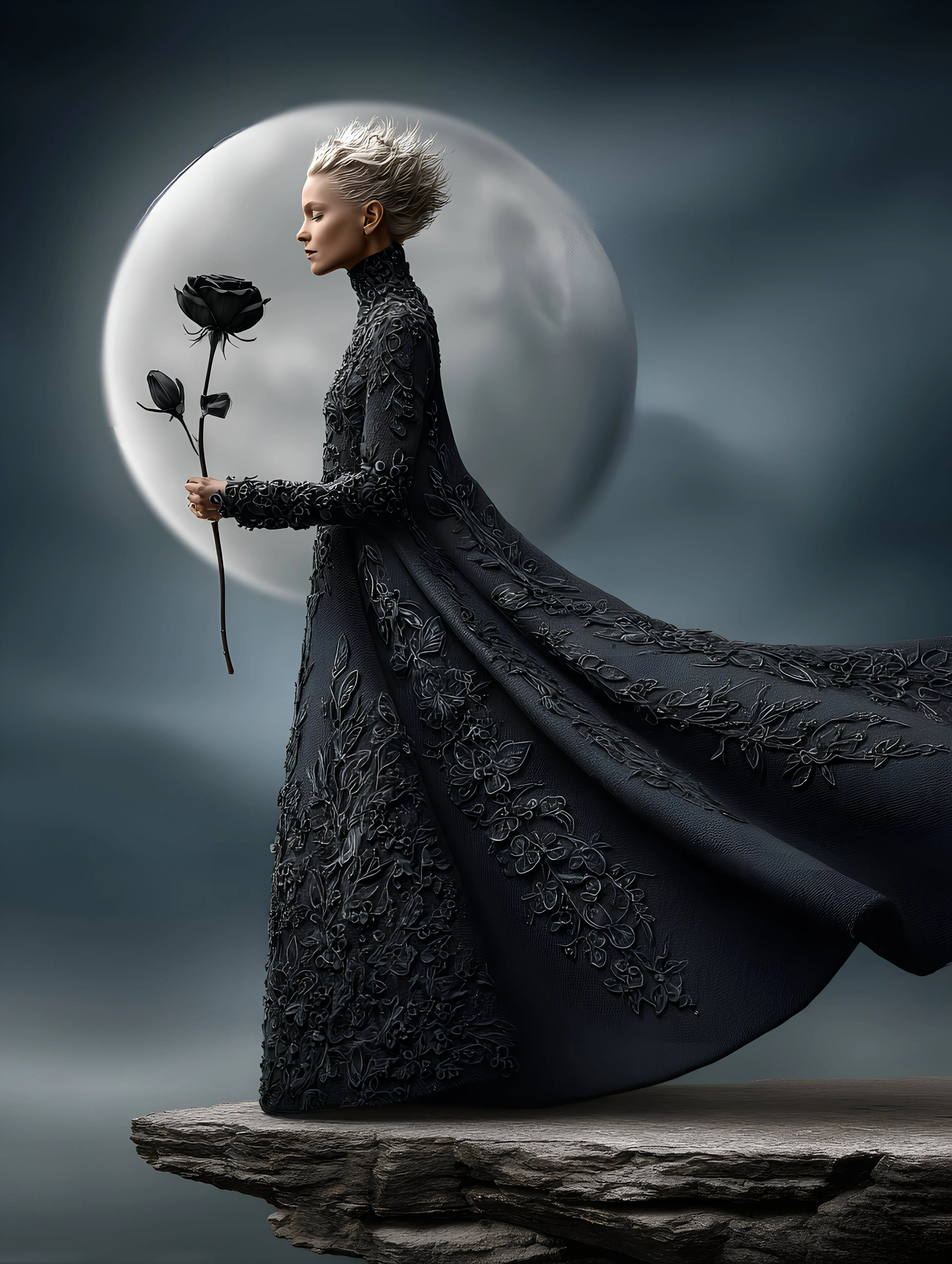
Elena Lapko’s portraits inhabit a nocturnal universe shaped by emotional stillness and symbolic restraint. Her subjects, solitary figures holding black roses beneath monumental moons, stand suspended between vulnerability and resolve. The silence in her work is deliberate, almost sacred, creating an atmosphere where every gesture carries weight.

Lapko merges fashion-inspired silhouettes with psychological depth, using shadow, lacework, and lunar light to articulate inner landscapes. Her compositions speak in a subtle emotional register, drawing attention to the quiet thresholds where longing, introspection, and resilience meet.

Through AI, Lapko refines the balance between beauty and austerity, crafting imagery that feels both intimate and monumental. Her series becomes a study in emotional chiaroscuro, revealing how darkness can illuminate the parts of ourselves we rarely name.

latest posts
01

Read More!

Explore
Drag